
Gallbladder & Gallstone Surgery in Edinburgh
Keyhole Gallstone Surgery & Specialist Biliary Care · Edinburgh
Rapid, consultant-delivered keyhole gallbladder surgery — from first appointment to recovery, under the care of one transplant-trained surgeon.
Direct clinic appointments at Spire Murrayfield and Spire Shawfair Park Hospitals, or secure video consultation if travelling.
Consultations within days
Typically scheduled within three weeks of your decision to proceed. Dedicated private theatres and personal surgical care throughout.
Surgery within 3 weeks
Recognised by Bupa, AXA Health, Aviva, Vitality and all major insurers with zero shortfalls on surgical fees. Fixed-price transparent self-pay packages.
Fee-assured & Clear Self-pay
Do these symptoms sound familiar?
Gallstone pain is distinctive, and most patients describe it the same way: a severe, gripping pain in the upper right side of the abdomen or the centre of the chest, often starting an hour or two after a meal — particularly rich food. It can spread to the right shoulder blade or back, last from thirty minutes to several hours, and be accompanied by nausea or vomiting. Between attacks, many people feel entirely well.
It can spread to the right shoulder blade or back, last from thirty minutes to several hours, and be accompanied by nausea or vomiting. Between attacks, many people feel entirely well.

Bloating or discomfort after fat-containing food
Episodes becoming more frequent or severe over time
Attacks that wake you at night
A previous A&E attendance or ultrasound showing gallstones
Note: Not every gallstone requires an operation. Stones found incidentally with no symptoms can often simply be left alone — if that is your situation, I will make this clear.
URGENT MEDICAL ATTENTION
Symptoms that require prompt hospital evaluation
Some presentations indicate an acute complication such as bile duct obstruction, infection of the gallbladder (cholecystitis), or pancreatitis:
yellowing of the skin or eyes (jaundice)
dark urine and pale stools
fever with abdominal pain
or pain lasting more than a few hours with vomiting
If this is happening now, please seek emergency medical care. If it has happened recently, mention it when contacting our office — it expedites your review.
Your pathway: what happens, and how quickly
PATIENT JOURNEY
One of the primary reasons patients choose private care is time. Gallstone attacks tend to recur, and every attack carries a measurable risk of acute complications.
Consultation
WITHIN DAYS
In person at Spire Murrayfield or Shawfair Park, or by video. We review symptoms, health history, and previous scans in advance to avoid repeating tests.
Fee: £200 or fee-assured
Investigations
SAME VISIT OR 1 WK
If ultrasound, blood panels, or MRCP (bile duct imaging) are needed, they are arranged promptly. Existing recent imaging is utilized directly.
Rapid on-site diagnostics
Joint Decision
MADE TOGETHER
If surgery is indicated, you understand the exact proposal, personal risks, and clear fixed pricing before anything is booked. Non-surgical options clearly explained.
Written fee clarity
Surgery
WITHIN 3 WEEKS
Day-case keyhole surgery at Spire Murrayfield or Shawfair Park. Most patients arrive morning and return home comfortably the same evening.
Overnight stay if needed
Follow-up
FULLY INCLUDED
Post-operative review scheduled prior to discharge, with direct clinical team contacts for peace of mind and prompt support whenever questions arise.
Direct consultant access
THE OPERATION
Laparoscopic Cholecystectomy
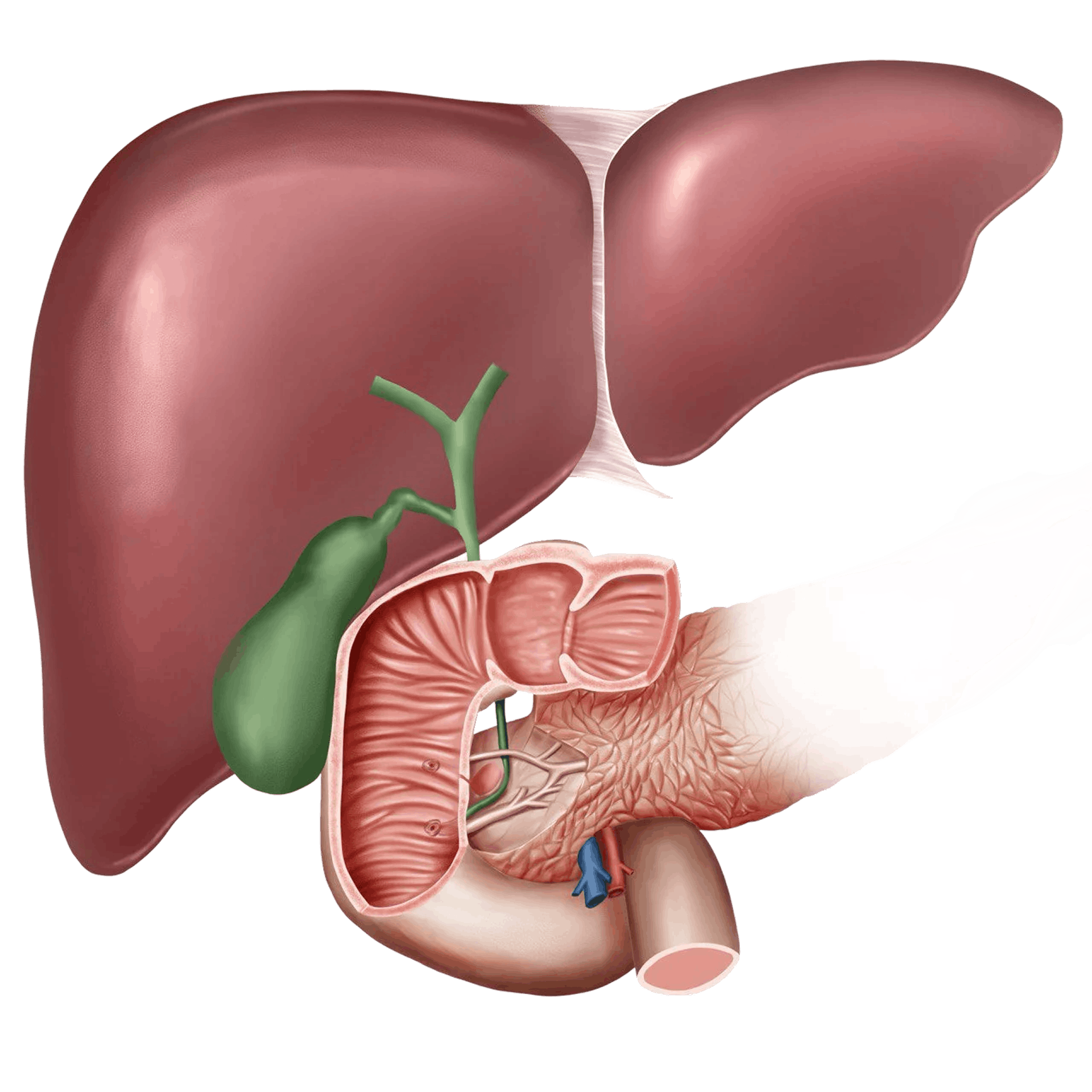
Gallbladder removal — laparoscopic cholecystectomy — is one of the most commonly performed operations in the UK, and the definitive treatment for symptomatic gallstones: once the gallbladder is removed, gallstone attacks stop.
The operation is performed under general anaesthetic through four small incisions, the largest around a centimetre, near the navel. A camera and fine instruments are used to detach the gallbladder from the liver and remove it, with the stones inside it. The operation usually takes approximately one hour. The bile duct is inspected and, where indicated, imaged during surgery to check for stones that have escaped the gallbladder.
You do not need your gallbladder to live entirely normally. The liver produces around 1000 ml of bile per day and the gallbladder stores only around 40 ml — even when the gallbladder is present, the majority of bile simply flows directly from the liver into the intestine. Most patients notice no difference at all after the gallbladder is removed. Around 20% of patients notice a transient change in bowel habit, but it is very unusual for this to persist any longer than 3 months (after the bowel has adapted to the change). For the great majority of patients no dietary restriction is necessary after gallbladder surgery.
Same-day discharge. Most patients go home the same evening, walking, eating and drinking. If surgery is in the afternoon, or if it is logistically more convenient for a patient to stay overnight (e.g. distance to travel, living alone), it is no problem to stay overnight and there is no additional cost for this.
POST-OPERATIVE COURSE
Recovery: honest expectations
Days 1–3
INITIAL PHASE
Mild discomfort around incision sites, managed with simple analgesia (paracetamol/ibuprofen). Temporary shoulder-tip gas ache settles within 48 hours. Regular movement encouraged.
First Week
DOMESTIC ROUTINE
Most people move comfortably around the house, shower normally, and feel increasingly restless — a reassuring milestone.
Driving: 7–10 Days
MOBILITY
Safe once you can execute an emergency stop without hesitation, and insurance stipulations are met.
Work: 1–4 Weeks
EMPLOYMENT
Desk-based roles typically return at 1–2 weeks; physical employment usually requires 3–4 weeks.
Exercise: 2–6 Weeks
FULL FITNESS
Light cardiovascular exercise from 2 weeks; unrestricted gym lifting and strenuous sport at 4–6 weeks.
TRANSPARENCY & SAFETY
Risks, plainly stated
Every operation carries risk, and you deserve objective figures rather than vague reassurances. Nationally published surgical audit data vs. private practice record:
Conversion to Open Surgery
<1% Johnston vs 2–5% UK
Usually caused by severe acute scarring making laparoscopy unsafe. Personal elective conversion rate remains under 1%.
Main Bile Duct Injury
1 in 300 to 500 UK
Extremely rare. Mitigated through meticulous microscopic dissection and advanced biliary surgical training.
Bile Leakage
~1% nationally
Minor fluid leak from small liver bed ducts, typically resolving autonomously or with minor intervention.
Retained Duct Stones
1–2% incidence
Resolvable through advanced ERCP endoscopy, performed personally without hospital transfers.
"On a private basis, one surgeon assumes total clinical responsibility: reviewing your imaging, operating personally without trainees, and conducting your follow-up."
Why a transplant surgeon for your gallbladder?
SPECIALIST EXPERTISE
Liver transplantation is, in large part, advanced biliary surgery. As a consultant liver transplant surgeon at the
Royal Infirmary of Edinburgh, reconstructing delicate bile ducts — in scarred, inflamed and previously operated abdomens — is routine NHS practice, not an occasional challenge.

Expanded Margin of Safety
For standard routine gallstones, this background guarantees an extra layer of surgical precision and technical calm.

Dual ERCP & Surgical Capability
If bile duct stones are present, I perform both the endoscopic clearing (ERCP) and gallbladder removal, avoiding fragmented multi-doctor handovers.

Complex Gallbladders Welcomed
Patients with acute cholecystitis, previous abdominal scarring, or those declined or referred elsewhere are routinely managed.
Frequently asked questions
-
Description Usually within days. Clinic appointments can be booked directly online or by phone for Spire Murrayfield or Shawfair Park Hospital — or a video consultation if more convenient. goes here
-
An initial consultation is £200. If surgery is agreed, you receive a single fixed-price quotation — typically £8,600 — covering the hospital stay, consultant anaesthetist, my fee and a post-operative review, agreed before anything is booked. Insured patients: I am fee-assured with all major insurers, so there are no shortfalls on my fees.
-
Self-paying patients can book directly. Some insurers require a GP referral — worth a quick check with your insurer before booking.
-
Less than most people expect. Keyhole incisions are small; most patients manage well with paracetamol and ibuprofen from day 1.
-
Most patients eat entirely normally. Early on, some prefer smaller, lower-fat meals; long-term restriction is very much the exception, not the rule.
-
This is precisely the situation my practice is set up for: I perform ERCP as well as gallbladder surgery, so duct stones and the gallbladder can be dealt with in a coordinated plan rather than between different specialists.
-
This depends very much on the individual and can be an appropriate choice if, for example, somebody has extensive medical co-morbidities or other factors that would make surgery higher risk than average. Symptomatic gallstones tend to cause recurring attacks of pain, and each attack carries a small risk of more serious complications. The correct course is different for each patient.
-
Spire Murrayfield Hospital and Spire Shawfair Park Hospital, Edinburgh — modern private hospitals with dedicated theatre teams and experienced consultant anaesthetist support.
Appointment booking
Consultations usually within 7 days
Surgery usually within 3 weeks
GP referral not needed unless your insurer requires one
Recognised by all major insurers







Self-funding and insured patients welcome
 Research publications: ORCID 0000-0001-9935-7365